Get Ready for Your Trip With the Best eSIM for Travel
An eSIM for travel is a digital SIM card that lets you activate a cellular plan without needing a physical plastic card. You simply scan a QR code or download a profile onto your compatible smartphone, then choose a local data plan for your destination — keeping you connected the moment you land. This gives you instant, affordable access to mobile data abroad, so you can navigate, share photos, and message home without hunting for local SIMs or paying high roaming fees.
Why Switch to a Digital SIM on Your Next Trip
Switching to a digital SIM for your next trip eliminates the hassle of hunting for local SIM cards at foreign airports. You can purchase and activate a plan from home, ensuring you have data the moment you land. eSIM for travel also allows you to keep your primary number active for banking or 2FA codes, while using a local data profile for navigation and messaging. This flexibility means no more fumbling with tiny plastic cards or risking damage to your phone’s SIM tray. Since you can switch between different eSIM profiles, you’re free to change providers mid-trip if a better offer appears, all without visiting a store. It’s a streamlined, practical shift for anyone who values connectivity without the physical runaround.
Choosing a digital SIM means you arrive connected, keep your home line active, and avoid the airport SIM scramble—pure convenience from gate to destination.
How Embedded SIMs Work Across International Borders
When you land in a new country, your phone’s embedded SIM automatically scans for local partner networks that your eSIM travel plan has pre-negotiated. Instead of swapping plastic cards, you digitally switch between profiles—your home carrier’s profile remains dormant while the travel profile activates over a foreign tower. That connection works because the eSIM downloads a small file containing the operator’s credentials, so your device authenticates on a local network just as a domestic phone would. In Paris, your eSIM might latch onto Orange; in Tokyo, it jumps to Docomo—all without you rebooting. Roaming stays seamless because the embedded chip holds multiple profiles simultaneously, letting you toggle cross-border connectivity with a few taps in settings, even mid-flight over a new time zone.
What Happens When You Activate a Remote Profile Abroad
When you activate a remote profile abroad, your device instantly downloads the eSIM data package from a foreign server, bypassing local SIM slots. This triggers a network handshake where the profile attaches to a partnered local tower, authenticating your international data plan without physical cards. The process is sequential: first, your phone connects to a base network to fetch the profile; second, it rebinds to a local operator using embedded credentials; third, it activates data roaming under your pre-purchased allowance. You gain immediate connectivity—often in under a minute—allowing you to use apps for maps, messaging, or calls as if home.
Compatibility Checklist for Smartphones and Tablets
Before buying an eSIM for travel, run a compatibility checklist for smartphones and tablets to avoid connection failures. First, confirm your device is carrier-unlocked—a locked phone blocks foreign eSIMs. Next, verify eSIM support in your model’s settings under “Cellular” or “Mobile Data.” Older devices (e.g., iPhone XS and newer, Pixel 3 and newer) usually work; budget Android models often lack it. Finally, check that your tablet supports cellular eSIM profiles, not just Wi-Fi-only. Tablets like iPad Pro (2018+) and Samsung Galaxy Tab S series pass, but many lower-end models do not. Skipping this checklist risks a dead connection abroad.
Money-Saving Benefits of Virtual Roaming
Virtual roaming via an eSIM for travel eliminates costly physical SIM markups and surprise postpaid bills by letting you purchase data plans directly from local or regional providers before you depart. You sidestep the inflated per-megabyte fees of traditional international roaming packages, often paying a fraction of the cost for the same data allowance. A single eSIM profile can also store multiple plans, so you can switch to the cheapest active offer in a new country without buying a new card. Savings accumulate further because there is no need to pay for separate data top-ups for each leg of a multi-destination trip. This approach provides complete control over your connectivity spending and transparent upfront pricing with no hidden charges tied to a home network.
Avoiding Hidden Fees from Traditional Carriers
Traditional carriers often bury roaming fees in complex billing codes, making hidden fee avoidance essential for travelers. By using an eSIM, you bypass these charges entirely, as eSIM plans quote a flat rate with no surprise taxes or daily connection costs. For instance, you won’t face $10-per-megabyte data fees or activation charges that appear after a single call. Zero fine print ensures every dollar goes to data you explicitly purchase. Q: How do I know an eSIM has no hidden fees? A: Look for plans labeled “data-only” with a total price displayed at checkout—if extra costs aren’t listed, they don’t exist, unlike carrier bills where fees appear post-trip.
Comparing Prepaid Data Plans vs. Physical SIMs
Comparing prepaid data plans with physical SIMs reveals a clear advantage for eSIMs in travel savings. Physical SIM cards often lock you into expensive roaming tariffs or force you to hunt for local shops, wasting time and money. In contrast, eSIM-enabled prepaid data plans allow you to purchase and activate local or regional packages instantly online, bypassing retail markups. You can compare regional eSIM pricing across multiple providers before departure, securing the best per-gigabyte rate without swapping tiny plastic cards. This eliminates lost SIM fees and the risk of buying overpriced tourist packs at airports.
eSIMs make prepaid data cheaper and faster to deploy than physical SIMs, directly cutting travel connectivity costs.
Top Destinations Where Digital SIMs Shine
For travelers, eSIM for travel transforms connectivity across specific regions where physical SIM procurement is a hassle. Japan and South Korea stand out, offering seamless high-speed networks instantly activated before landing, bypassing airport kiosks and language barriers. Similarly, in the United Arab Emirates, digital SIMs avoid the need for local registration and paperwork, providing immediate data in cities like Dubai. Across Europe, especially for multi-country itineraries in the Schengen Area, a single regional eSIM prevents the inconvenience of buying and swapping local cards at each border. Finally, for those hopping between islands in Thailand or Indonesia, activating an eSIM from home eliminates the search for local vendors upon arrival, ensuring constant navigation and communication. Top destinations for this technology are those with excellent digital infrastructure but complex physical SIM purchase processes.
Best Options for Europe, Asia, and the Americas
For Europe, regional eSIM plans offering multi-country coverage provide the best value, allowing seamless roaming across the Schengen Area without per-country swaps. In Asia, Japan and South Korea have highly competitive local-brand eSIMs with superior speeds, while Southeast Asia benefits from affordable multi-territory plans like those covering Thailand, Vietnam, and Indonesia. For the Americas, a single North America plan efficiently covers the US, Canada, and Mexico, whereas South American trips often require combining a Brazilian-specific eSIM with a broader regional option for Argentina and Chile. Choosing between regional versus single-country eSIMs depends on whether you need consistent speeds across borders or localized network access.
Regional Flexibility Without Changing Cards
Instead of swapping physical SIMs at every border, regional eSIM plans let you pre-purchase coverage for entire continents, like Europe or Asia, before you even leave home. This means you land in Paris, cross into Germany, and then explore Switzerland on a single carrier’s network without any manual card change. Your connection shifts automatically between countries, so you stay online during train rides and spontaneous border crossings. The flexibility removes the hassle of hunting for local SIMs and saves space in your carry-on—perfect for multi-country itineraries where seamless coverage is the goal.
Step-by-Step Setup Before Departure
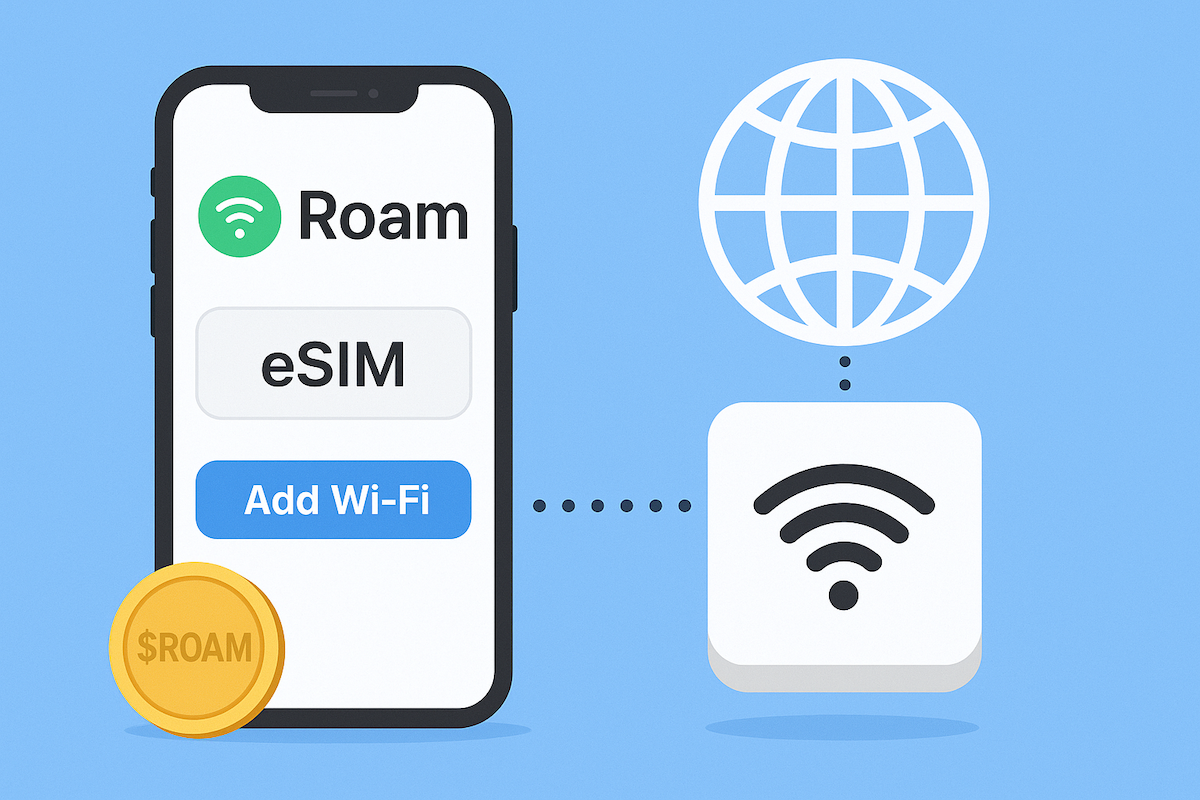
Before traveling, first confirm your phone is unlocked and compatible with the eSIM. Then, purchase your travel eSIM plan online and carefully follow the provider’s installation instructions, typically scanning a QR code sent via email. Activate the eSIM only after arriving at your destination to avoid premature plan usage. Next, in your phone settings, designate the eSIM as the data line and your primary SIM for voice, if needed. Double-check that data roaming is toggled on for the correct eSIM line before leaving the airport. Finally, restart your device to ensure the network registers properly; this pre-flight checklist prevents connectivity gaps upon landing.
Checking Device Unlock Status and Carrier Support
Before purchasing an eSIM for travel, verify your device is carrier-unlocked to ensure compatibility. Check under Settings > General > About for a “No SIM restrictions” message; a locked phone will reject foreign eSIM profiles. Confirm your device model supports eSIM technology—most newer iPhones, Pixels, and Samsung flagships do, but older or carrier-specific variants may not. Use your carrier’s online portal or call them to confirm unlock status and eSIM provisioning. Skipping this risks wasted money and unusable data abroad. Always test adding a dummy eSIM profile in advance to avoid arrival-day failures.
Purchasing and Installing a Data-Only Profile
To purchase and install a data-only profile, first select a compatible eSIM plan for your destination from a provider like Airalo or Holafly. After payment, you receive a QR code or activation code via email. Open your device’s cellular settings, tap “Add Cellular Plan,” and scan the QR code. Label the profile clearly, such as “Travel Data,” and set it as your primary data-only roaming line. Follow these precise steps:

- Ensure your device is unlocked and eSIM-compatible.
- Connect to Wi-Fi before installation.
- Install the profile and activate it immediately before departure to confirm functionality.
Managing Multiple Connections During Your Journey
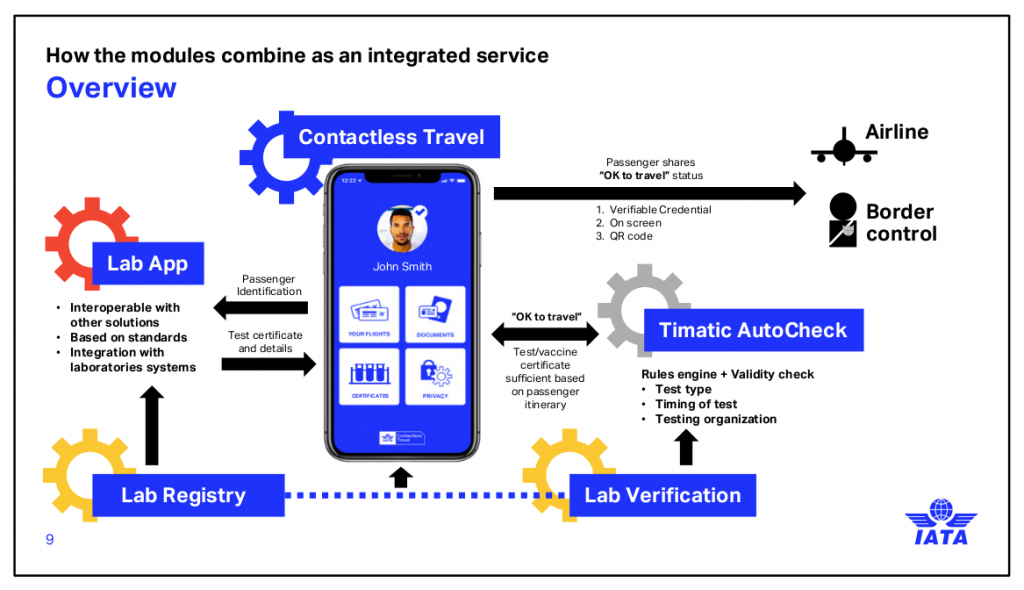
Juggling a home line, a local data plan, and a work number while traveling used to be a headache, but an eSIM streamlines managing multiple connections during your journey. You can instantly switch between different international profiles on your device without swapping physical cards, keeping your primary number active for SMS while using a local eSIM for high-speed data. This approach to esim for travel lets you assign specific profiles to specific tasks—like data for navigation and a separate local line for ride-hailing—all controlled from one settings menu. It transforms your smartphone into a dynamic hub, ensuring you never miss a critical message while you dash between time zones.
Juggling Home and Local Profiles on One Phone
Juggling home and local profiles on one phone is straightforward with a dual-SIM eSIM setup. You keep your primary number active for SMS and calls while assigning data to a local travel eSIM. Most modern smartphones let you label profiles (e.g., “Home” and “Spain”) and toggle which line handles cellular data. This prevents roaming charges and ensures you always receive verification codes. Smart profile management is key: activate the local profile first, then disable data on your home line to avoid accidental fees. A quick habit check before boarding saves money.
Can I use my home number for calls while using local eSIM data? Yes, as long as your home profile is enabled for voice and your phone supports multi-connect. The local eSIM handles internet; the home line passes calls without extra data cost.
Keeping Your Primary Number Active for Verification
Your primary number is the key to banking and social logins, so keeping it active during travel is non-negotiable. By enabling Wi-Fi Calling or using a dual-SIM phone, you can receive SMS verification codes over your eSIM’s data plan without inserting your physical SIM. This method ensures seamless verification access for high-stakes 2FA requests while you roam. Simply change your primary line to “data-only” or turn off mobile data for it, letting your travel eSIM handle internet—your primary number stays alive for crucial texts.
Keep your primary number active for verification by using Wi-Fi Calling China eSIM or dual-SIM setups, allowing secure 2FA code reception over your travel eSIM’s data without swapping physical cards.
Common Pitfalls and How to Avoid Them
You’re in a Tokyo subway, clutching your phone with a QR code that refused to install. That’s the first pitfall: buying an eSIM before checking if your device is unlocked or compatible. Avoid it by confirming carrier unlock and eSIM support in your phone’s settings ahead of departure. Another traveler’s nightmare is losing connectivity mid-trip because they activated the eSIM too early or missed the data plan’s exact start time. Always activate only after landing, and set a calendar reminder for the plan’s expiration. “Why did my data stop halfway through my vacation?” Because you didn’t read the fair usage policy—many prepaid plans throttle speeds after a few gigabytes. Avoid this by choosing a plan with enough high-speed data for your actual usage, like streaming maps over Wi-Fi before you go.
Network Coverage Gaps and Emergency Connectivity
Network coverage gaps pose a significant risk when relying solely on an eSIM for travel, especially in remote areas. Users often discover that their primary eSIM provider has no roaming agreement in a specific region, leaving them without connectivity. To avoid this, pre-download offline maps and critical contact numbers before departure. For true emergency connectivity, always research whether your eSIM plan offers access to partner networks or a fallback local provider. A secondary physical SIM or a backup eSIM from a different carrier can provide a lifeline if the primary signal fails entirely. Test your eSIM’s functionality at your destination immediately to identify gaps.
Battery Drain Issues and Airplane Mode Tricks
One common pitfall with travel eSIMs is unexpected battery drain, as the phone constantly scans for the strongest local network. A practical counter-trick is enabling airplane mode toggling upon landing. This stops the aggressive search cycle. After toggling airplane mode on, wait a moment, then turn it off to force a fresh, stable connection. For persistent drain, keep airplane mode active and manually select your home network when not actively using data.
- Turn on airplane mode immediately after landing to stop constant network scanning.
- Toggle airplane mode off only after you have arrived at a stable location.
- Manually select a preferred network in settings to prevent your phone from re-searching.
Top Providers for Globetrotters in 2025
For globetrotters in 2025, airalo remains the most practical choice for broad multi-country coverage, offering reliable regional plans that activate instantly upon landing. Holafly edges ahead for heavy data users with its truly unlimited high-speed caps across Europe and Asia, though it lacks the native tethering support that nomad esim prioritizes. For those needing local phone numbers, maya mobile provides dual-number capabilities alongside data.
A critical 2025 insight: prioritize providers offering top-up from the app dashboard to avoid re-installing a new eSIM mid-trip.
In remote areas like central Africa or the Himalayas, gigsky excels with satellite-backed fallback connectivity. Always verify that your device supports the specific frequency bands used by your chosen provider’s carrier partners in your destination countries before purchasing.
Comparing User Experience, Speed, and Pricing
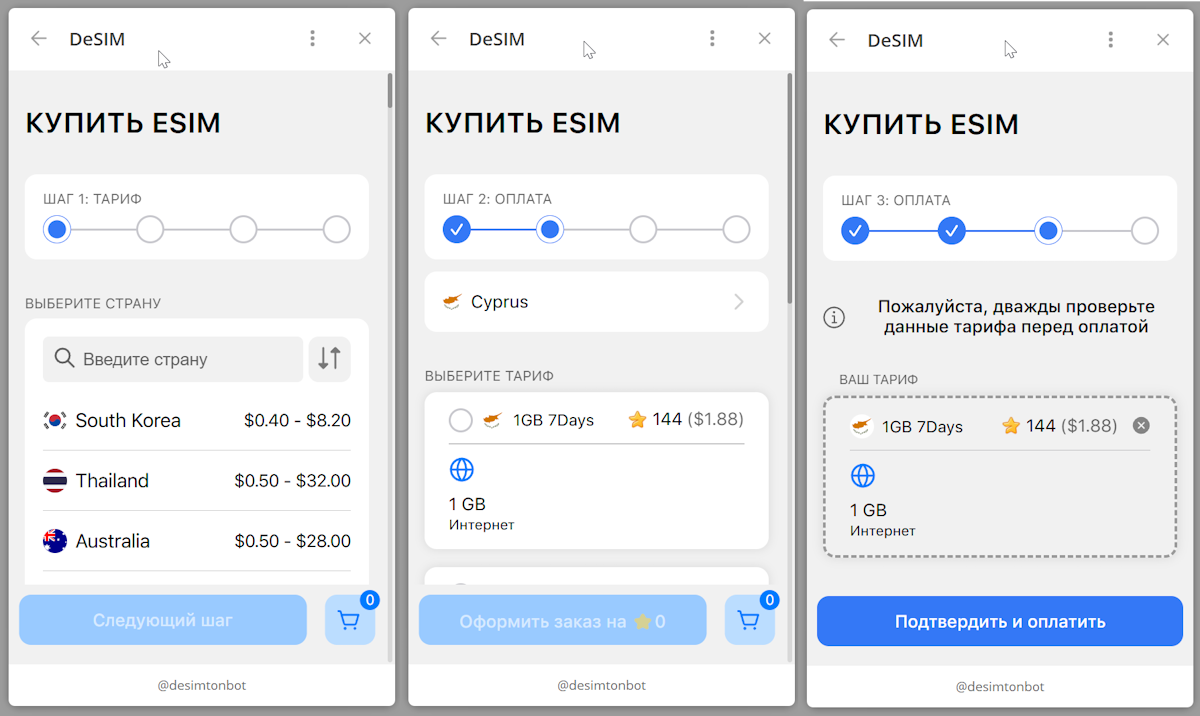
When comparing user experience, speed, and pricing among top globe-trotting eSIM providers in 2025, priority often dictates choice. For seamless setup, providers with native app integration offer instant activation, whereas budget travelers accept slightly slower activation for lower rates. Speed varies markedly: premium plans consistently deliver 5G in major cities, while economy tiers may throttle video streaming. Pricing follows a clear hierarchy:
- Budget-focused plans sacrifice top-tier speeds for flat regional fees.
- Mid-tier providers balance moderate 4G speeds with pay-per-use flexibility.
- Premium options guarantee uncapped 5G at higher daily rates, ideal for constant video calls.
Ultimately, a user needing blazing speed pays triple a budget traveler getting adequate browsing.
Choosing Between Fixed Plans and Pay-As-You-Go
When choosing between fixed plans and pay-as-you-go eSIMs, assess your travel pattern first. Fixed plans suit single-destination trips with predictable data needs, offering a set amount for a specific duration without tracking usage. Pay-as-you-go works better for multi-stop itineraries or uncertain schedules, letting you top up only when necessary. However, fixed plans often expire strictly, while pay-as-you-go balances may retain unused credit for months. To decide logically:
- Estimate total data needed per day across your trip length.
- Compare the fixed plan’s total cost to probable top-up sums on a flexible option.
- Check validity windows—fixed plans expire on the day count, whereas pay-as-you-go typically lasts until credit runs out.
Security and Privacy Considerations While Roaming
When roaming with an eSIM, your security hinges on selecting a reputable provider. eSIM security relies on encrypted profiles that are harder to clone than physical SIMs, but avoid connecting to public Wi-Fi hotspots, as they expose data traffic. Privacy considerations are critical: your eSIM connects to a local network, meaning your home carrier cannot track your real-time location unless you enable data roaming. Always disable Bluetooth and Wi-Fi scanning to prevent passive tracking by local ads networks. Use a VPN on all sessions to encrypt data against rogue cell towers, and never share your eSIM QR code—it grants permanent access to your digital identity. For maximum control, install the eSIM profile only when needed and delete it after your trip.
Protecting Personal Data on Public Networks
When you roam with an eSIM, public Wi-Fi in airports or cafes becomes a tempting option, but it’s a hotspot for data thieves. Always route your traffic through a trusted VPN for eSIM roaming to encrypt personal logins and messages. Even with an eSIM, your hotel’s free network can expose banking details if you skip this step. Before connecting, disable file sharing and set your device to “forget” the network after use.
- Activate your VPN before linking to any public hotspot.
- Use two-factor authentication on key accounts.
- Turn off automatic Wi-Fi and Bluetooth scanning.
This keeps your data safe while you stay connected.
Using VPNs and Encrypted Connections with Digital SIMs
Pairing a travel eSIM with a VPN on an encrypted connection creates a dual layer of data protection. The digital SIM itself authenticates you to the local network, but the VPN encrypts all traffic beyond that tunnel, shielding activity from carrier-level monitoring and Wi-Fi eavesdropping. Ensure your VPN uses protocols like WireGuard or OpenVPN for minimum latency over the eSIM’s data channel. Activate the VPN before connecting to any sensitive service, as the eSIM’s IP address alone does not prevent traffic analysis. This combination also masks your home region, preventing geo-blocking on travel apps.
Using a VPN encrypts traffic routed through a travel eSIM, preventing carrier snooping and Wi-Fi attacks while masking your digital location.
Future of Connectivity for Frequent Flyers
For the frequent flyer, the future of connectivity hinges on seamless multi-network eSIM profiles. Instead of juggling physical SIMs, your phone will automatically switch to the strongest local network, bypassing tourist-tier throttling. The key evolution is dynamic data pooling, where a single global eSIM plan intelligently allocates high-speed data from a shared bucket across every country you transit. This eliminates the need to estimate data per destination. Look for plans that offer native IP addresses in your home country, not just a foreign proxy, to ensure bank apps and streaming services never flag your connection as suspicious during layovers. This direct, carrier-agnostic architecture is the only way to maintain consistent, lag-free connectivity for both critical work and personal navigation across continents.
eSIM Advancements in IoT and Multi-Device Travel
For the frequent flyer, eSIM-enabled multi-device travel eliminates the hassle of juggling physical SIMs. Your smartphone can now act as a hub, provisioning data instantly to a connected smartwatch or laptop via a single travel plan. This allows your wearables to maintain GPS and messaging independently, even when your phone is stowed. IoT advancements extend this to smart luggage, enabling real-time tracking and digital locks that update automatically upon landing. The sequence is straightforward:
- Activate a global eSIM data plan on your primary phone.
- Pair your watch or tablet to the same account via a provider’s app.
- Enable IoT features on your luggage through the plan’s device management portal.
This ecosystem keeps every device fully operational across borders without separate purchases.

What to Expect from Next-Generation Roaming Technology
Next-generation roaming tech will make switching networks as seamless as flipping a light switch, with instant eSIM activation as you land. You can expect on-the-fly carrier switching to grab the strongest local signal without manual profiles. Data speeds will match local users, with 5G access included by default, and background app usage won’t trigger sudden throttling. Plans will become more granular.
- Automatic connection to the cheapest local network tier based on your data allowance.
- Real-time usage tracking pushed directly to your phone’s lock screen.
- Bundled global add-ons that activate only when you cross a border, not beforehand.